Symptom · Lumbar spine

Recurring Disc Pain

Repeated episodes of disc-related back or leg pain that keep coming back. Find out why discs re-herniate and what can be done about it.

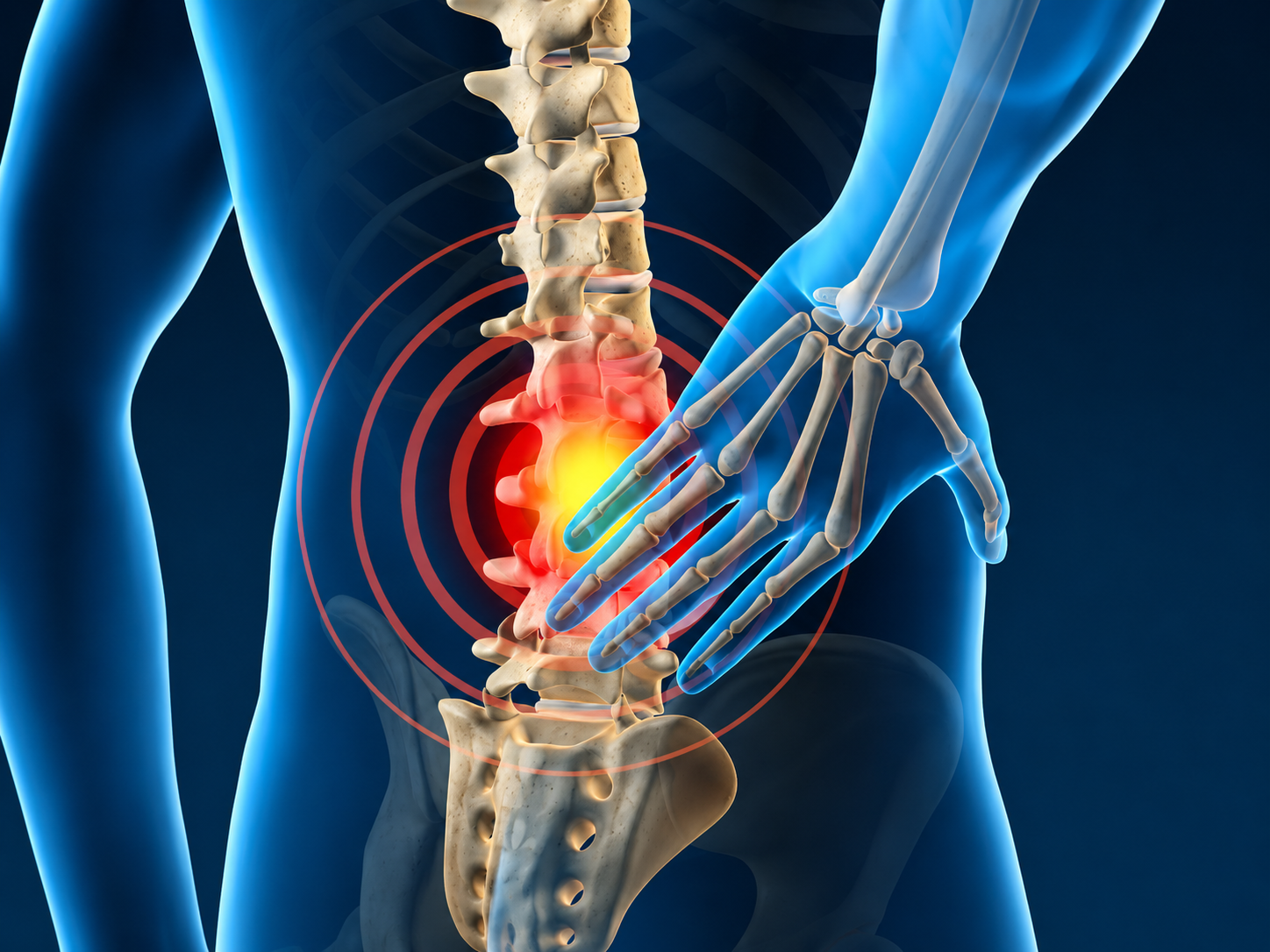
Recurring Disc Pain — illustration

What it feels like

Recurring disc pain describes a pattern where episodes of acute back or leg pain resolve — sometimes completely — and then return weeks, months, or years later. Between flares, you may feel almost normal, or you may live with a background ache that suddenly becomes severe again with a particular movement. Each episode can be similar to the last, or it may progressively involve more leg pain, numbness, or weakness as the disc material continues to affect nearby nerve roots.

Common triggers

  • A particular movement or lift that you know from experience to be risky
  • Prolonged sitting in a flexed posture, which loads the posterior disc
  • Sneezing or coughing at an inopportune moment — a rapid spike in intradiscal pressure
  • Returning to activity too quickly after a previous episode
  • Gradual disc degeneration that reduces the disc's ability to absorb load evenly

When to seek help urgently

A recurring disc pain episode that produces the following symptoms requires urgent assessment:

  • Sudden loss of bladder or bowel control — a surgical emergency
  • Saddle-area numbness (inner thighs and perineal region)
  • Leg weakness that develops quickly over hours or days
  • Pain that is significantly worse than previous episodes and unresponsive to analgesia

What to expect at consultation

Mr. Rath will review the full history of your disc problems, including how many episodes you have had, what settled them previously, and how the current episode compares. He will examine the nerve roots clinically and, where appropriate, arrange updated MRI imaging. For patients with a clear pattern of recurrence, the consultation will also address whether long-term preventive strategies — or a definitive surgical solution — are worth considering.

Take the next step

Talk to Mr. Rath about your symptoms.

Online and in-clinic consultations available across the North West.

Book Appointment