Condition · Spine

Chronic Back Pain

Back pain persisting beyond 12 weeks affects millions and has many causes. Understand how Mr. Rath approaches a systematic assessment and evidence-based management.

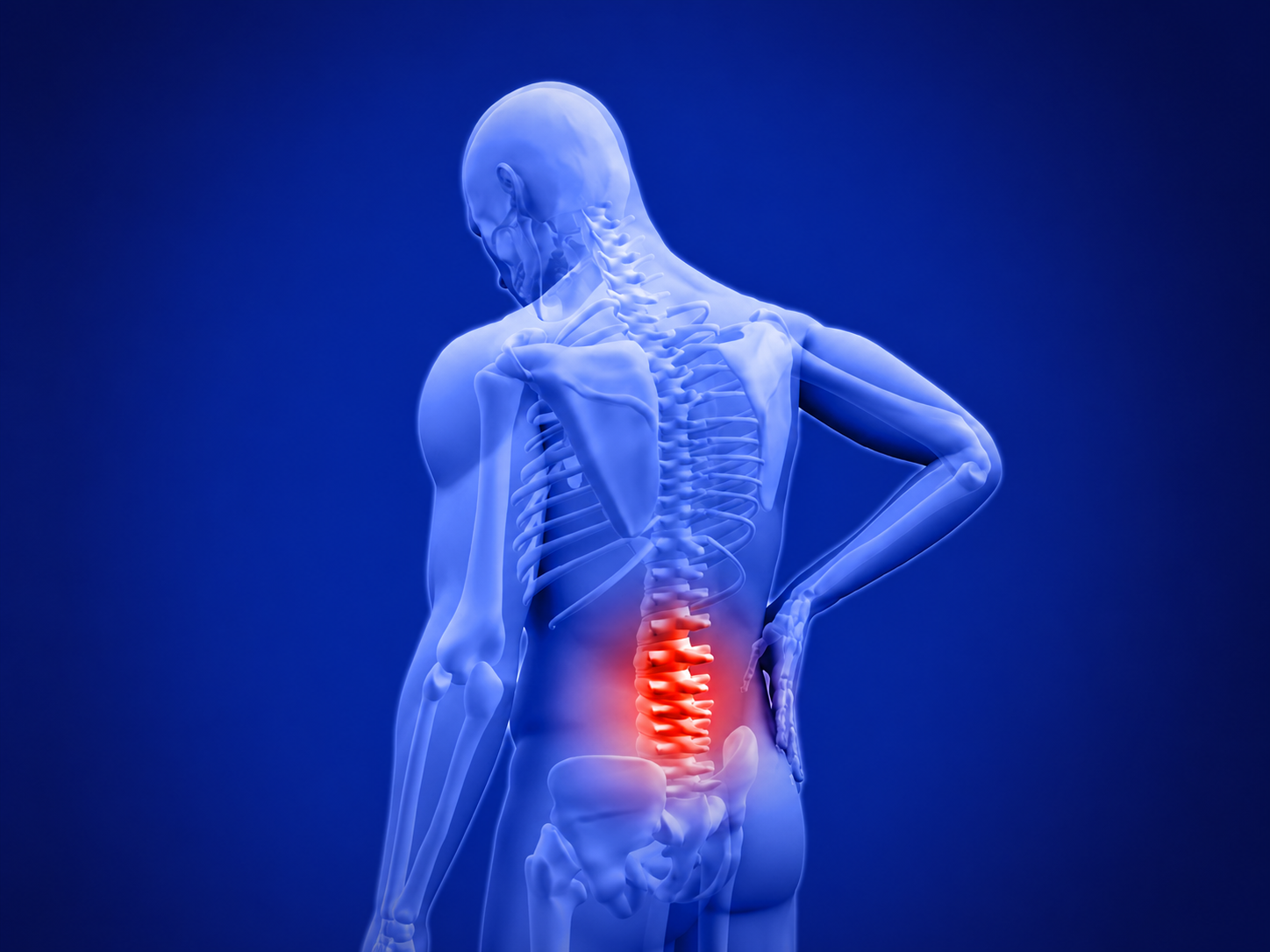
Chronic Back Pain — anatomical illustration

What it is

Back pain is classed as chronic when it persists for more than 12 weeks. At this point the relationship between tissue damage and pain experience becomes more complex — the central nervous system can become sensitised, so the pain signals no longer accurately map to structural findings. Chronic back pain is not a single diagnosis: it is a symptom that can arise from disc degeneration, facet joint arthropathy, sacroiliac dysfunction, muscular deconditioning, or a combination of factors. Identifying the dominant source — rather than treating all chronic back pain the same way — is the cornerstone of good care.

How it's diagnosed

A thorough assessment includes:

  • Detailed history: character of the pain, provocative and relieving factors, red flags, impact on function and sleep
  • Physical examination: movement assessment, neurological testing, provocative tests for specific joints
  • Selective imaging: MRI or CT only where the history and examination point to a specific structural cause; imaging alone is often misleading
  • Targeted diagnostic injections where facet joints, SI joints, or nerve roots need individual assessment

Natural history

Most episodes of acute back pain resolve within 6–8 weeks regardless of treatment. Those that do not are at risk of chronification. Prognosis for chronic back pain is influenced heavily by psychosocial factors — work satisfaction, fear of movement, and beliefs about pain — in addition to structural findings. This is not a dismissal of the pain; it is an acknowledgement that effective treatment must address the whole picture.

What we look for in deciding

  • Which anatomical structure is most likely generating the pain
  • Whether any structural finding is amenable to a targeted procedure
  • The patient's engagement with active rehabilitation
  • Psychosocial factors that may limit recovery if unaddressed

Mr. Rath takes a systematic approach: ensuring nothing surgically correctable has been missed while supporting patients through evidence-based conservative care as the primary intervention for most chronic back pain presentations.

Take the next step

Discuss your diagnosis with Mr. Rath.

Online and in-clinic consultations available across the North West.

Book Appointment