Condition · Lumbar spine

Spondylolisthesis

A condition where one vertebra slips forward over the one below, causing instability and nerve compression in the lower back. Learn about diagnosis and treatment.

Spondylolisthesis — anatomical illustration

What it is

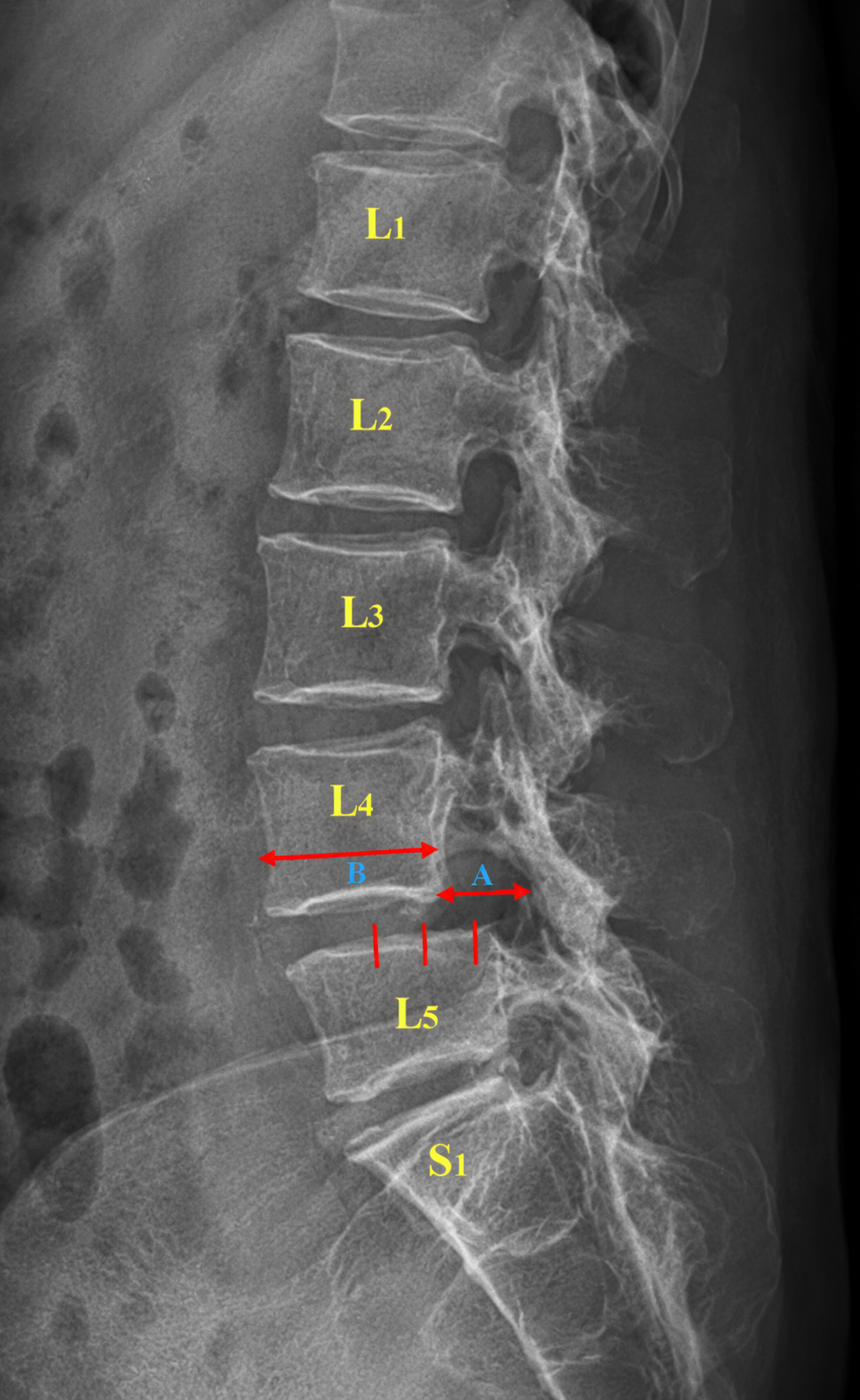
Spondylolisthesis occurs when one vertebra slides forward over the vertebra beneath it. The most common form is degenerative spondylolisthesis, typically seen at the L4–5 level, where age-related wear loosens the facet joints that normally prevent forward movement. Less commonly, a stress fracture in the posterior arch (isthmic spondylolisthesis) allows the slip. The sliding vertebra can narrow the spinal canal and compress nerve roots, producing back pain, leg symptoms, or both.

How it's diagnosed

  • Clinical examination looking for step deformity on palpation and neurological deficits
  • Standing X-rays to measure the degree of slip — graded I to IV
  • Flexion–extension X-rays to assess whether the slip is mobile or fixed
  • MRI to evaluate nerve compression and disc degeneration at the affected level

Natural history

Many people with low-grade spondylolisthesis (Grade I or II) live comfortably with the condition for years. Symptoms often fluctuate and respond to physiotherapy and activity management. Higher grades, persistent neurological symptoms, or documented progression of the slip are the main drivers toward surgical intervention.

What we look for in deciding

  • Grade of slip and whether it is progressing
  • Severity of neurological symptoms (leg weakness, bladder or bowel disturbance)
  • Response to a supervised course of physiotherapy and pain management
  • Overall spinal alignment and whether the segment is stable or mobile

Where surgery is needed, the appropriate procedure depends on whether the slip requires decompression alone or decompression combined with stabilisation. Mr. Rath will discuss each option candidly, including the expected recovery and the evidence behind it.

Take the next step

Discuss your diagnosis with Mr. Rath.

Online and in-clinic consultations available across the North West.

Book Appointment